Graco Stride
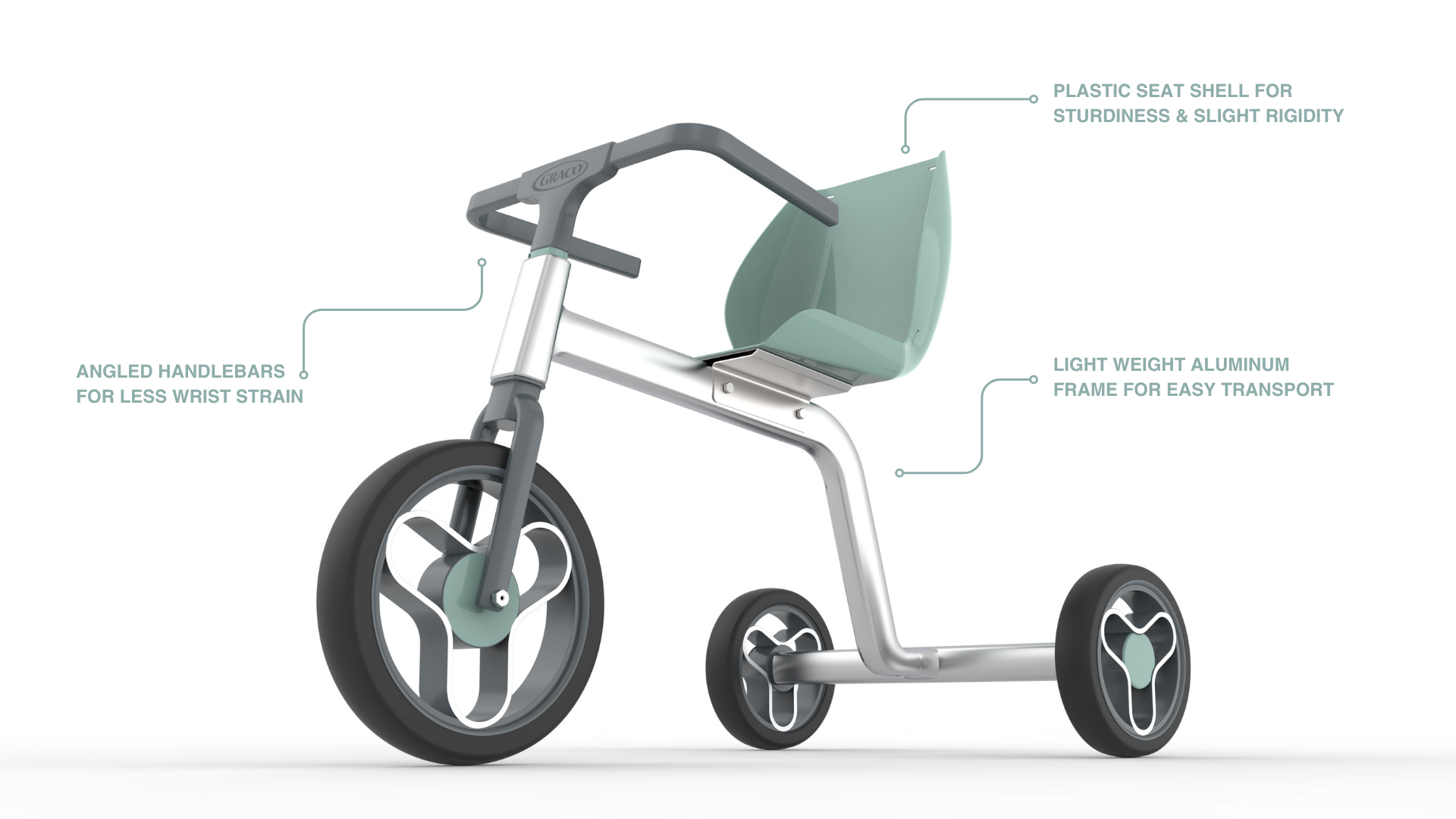
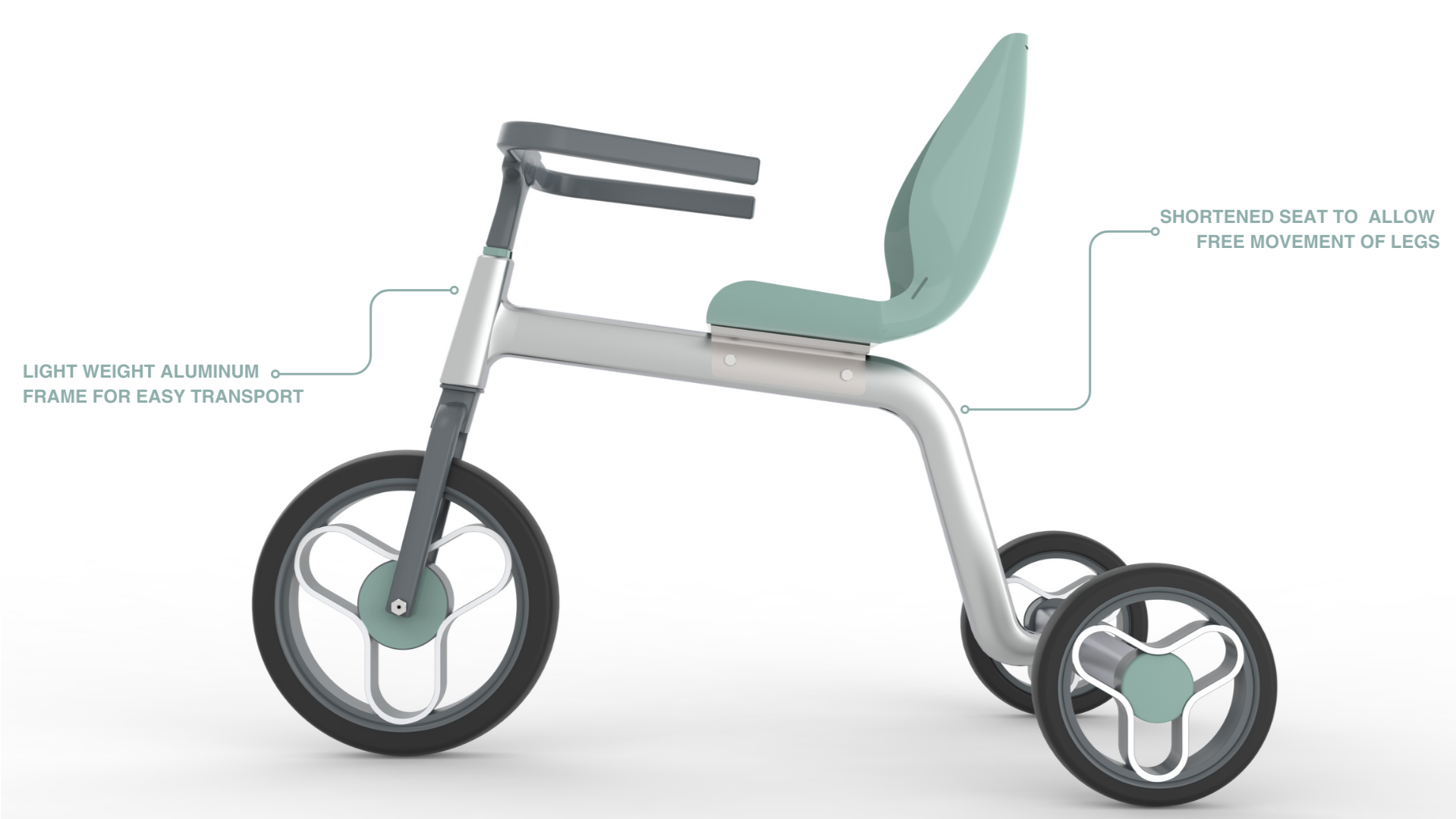
Graco Stride aims at empowering a toddler with cerebral palsy to move with greater independence and joy. Unlike traditional mobility solutions that can feel restrictive, Stride focuses on enabling self-directed movement, addressing both the physical and emotional needs of a young child who can walk short distances but struggles with balance and muscle control. This empathetic design project puts the user’s experience at the forefront, blending functional support with playful freedom to enhance participation in everyday life.
Type of Work:
Product Design
Date:
10/16/2025
Project Brief
Design a children’s product that supports movement and independence for a toddler diagnosed with cerebral palsy.
Project Deliverables
Research Packet on selected special need (Group assignment)
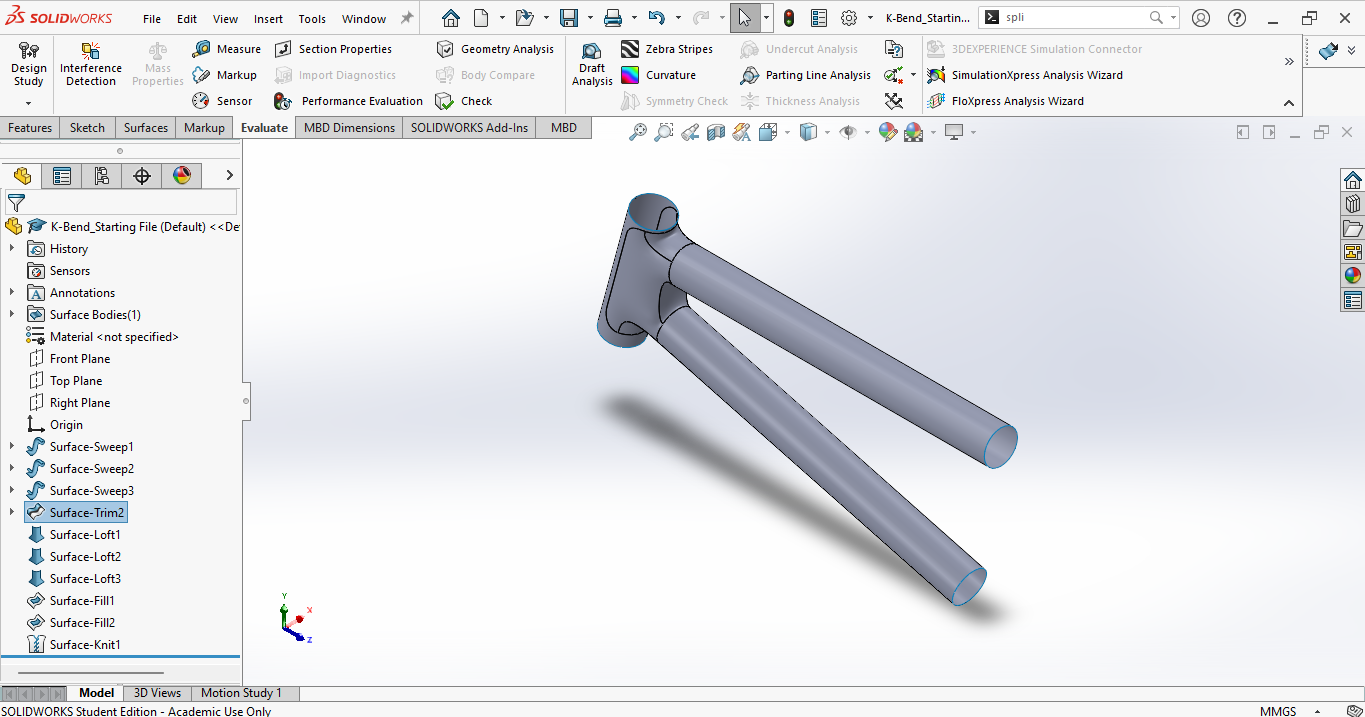
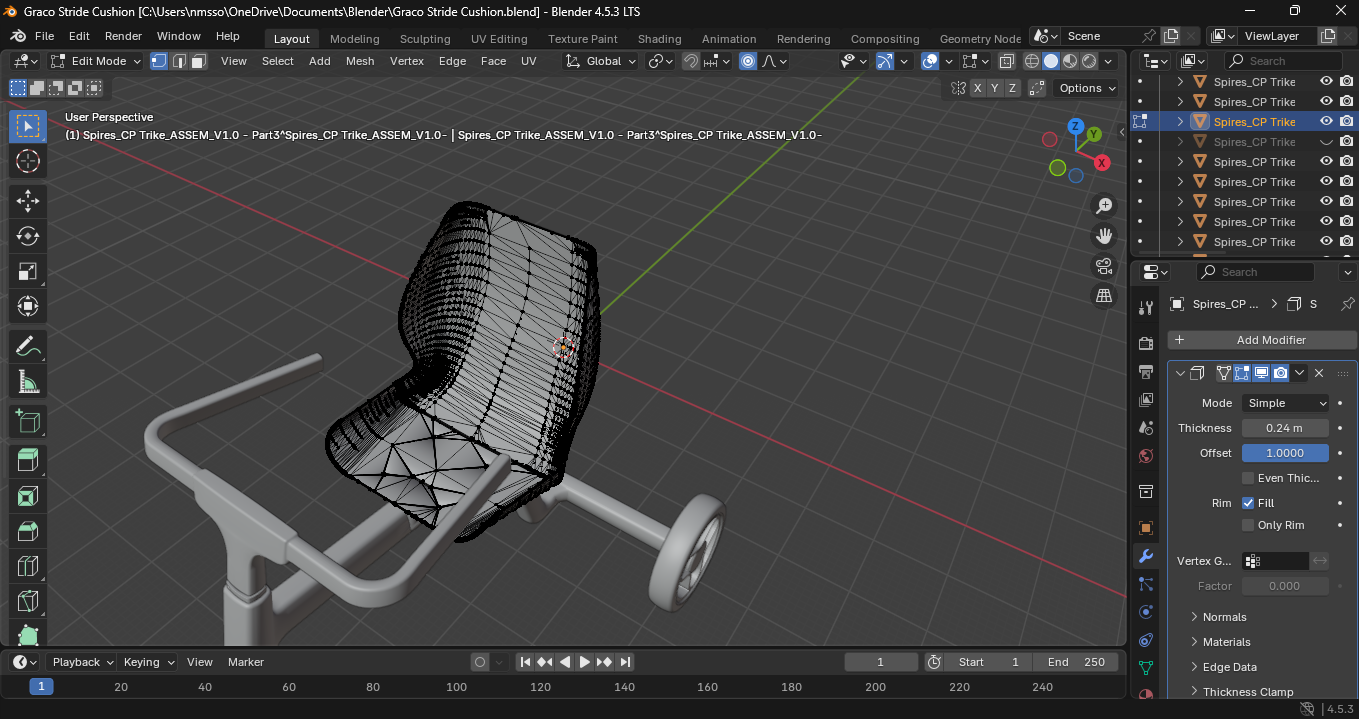
CAD Model
Part-by-Part CMF Breakdown
What is Cerebral Palsy?
“Cerebral palsy (CP) is a neurological condition that can present as issues with muscle tone, posture and/or a movement disorder. It’s the result of damage to your brain during fetal development or another developmental disability that affects the way your brain develops. The signs and symptoms of CP appear early in childhood and can vary from person to person.”


Meet the Carters
Sarah, age 3
Diagnosed with Cerebral Palsy (GMFCS Level II)
Can walk very short distances but struggles with balance, muscle control, and fatigue
Loves being outdoors but becomes frustrated when she can’t keep up with other kids.
Feels happiest when she can move on her own.
Lauren, age 31
Part-time graphic designer and full-time mom
Works from home and manages Sarah’s therapy schedule.
Wants to give Sarah safe independence (aka not another stroller)
Understanding Sarah’s Needs
Physical Needs
Support to maintain upright posture & stability during play and movement.
Repetitive, low resistance movement to help build strength while avoiding fatigue or frustration.
Activities with minimal risk of falls or strain while encouraging safe, self-guided motion.
Emotional & Social Needs
Desire to participate, not just observe.
Loves movement but feels frustrated by toys that don’t work for her.
Social participation and play are critical for self-esteem and development.
Research revealed that many toddlers with cerebral palsy benefit from movement that does not require coordination, yet still encourages balance, steering, and self-initiated motion.
This led to the design opportunity:
Create a mobility experience that feels like a toy — not therapy — while supporting early independence and safety.